Plastic Products
A surface treatment process that eliminates visible imperfections or textures, creating an even and non-textured finish through mechanical or chemical methods.
A finishing technique that uses abrasives or buffing tools to refine a plastic surface to a glossy, reflective state by removing microscopic irregularities.
Adds a metallic layer for EMI shielding or decorative purposes.
A mechanical texturing method that creates a unidirectional linear grain pattern on the surface using abrasive brushes or belts, often for aesthetic or anti-scratch purposes.
Creates precise markings or textures without damaging the material.
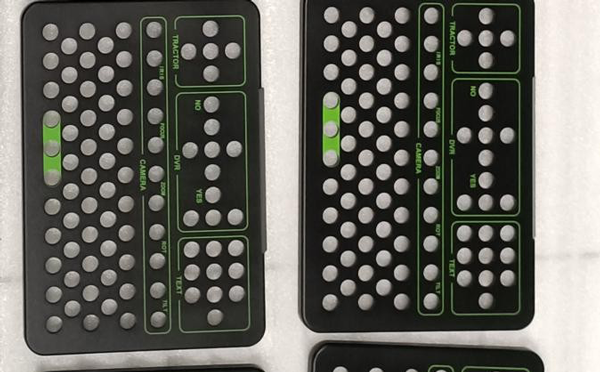
A printing technique where ink is forced through a fine mesh stencil to deposit precise graphic patterns or text onto plastic surfaces.
Provides color, UV protection, and improved aesthetics.
Adds grip or aesthetic patterns through chemical or mechanical means.
A coating process that applies rubberized paint to create a soft-touch, elastomeric surface layer with enhanced grip and impact resistance.
A hydrographic printing method that uses water-soluble films to transfer complex 2D/3D patterns onto contoured plastic surfaces through immersion and activation.
A surface enhancement process using polymethyl methacrylate (PMMA) or polycarbonate (PC) overlays/coatings to achieve optical-grade transparency while improving UV/weather resistance.
A post-treatment process that preserves or enhances the inherent optical clarity of transparent plastics (e.g., PMMA, PC) by minimizing light scattering through precision polishing or coating.
Metal Products
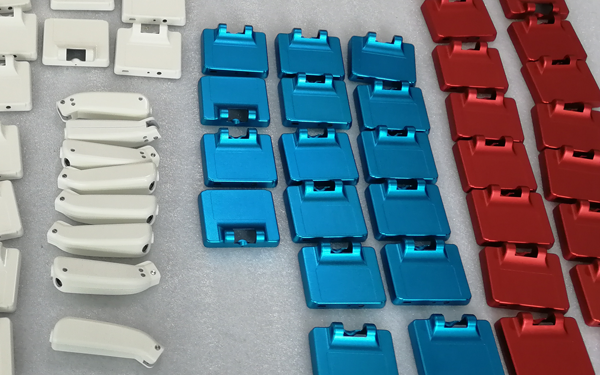
An electrochemical process that enhances corrosion resistance and allows for color dyeing (common for aluminum).
Deposits a thin metal layer (e.g., chrome, nickel, or zinc) for improved conductivity and wear resistance.
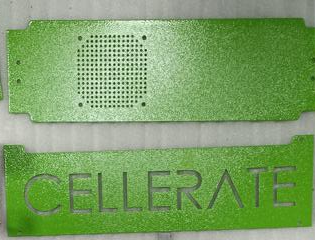
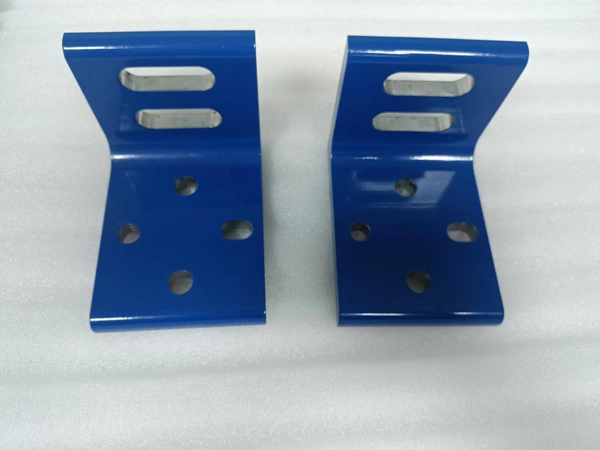
A dry finishing process where a polymer powder is applied electrostatically and cured under heat for a durable, colored finish.
A chemical treatment (typically for stainless steel) that removes free iron and improves corrosion resistance.
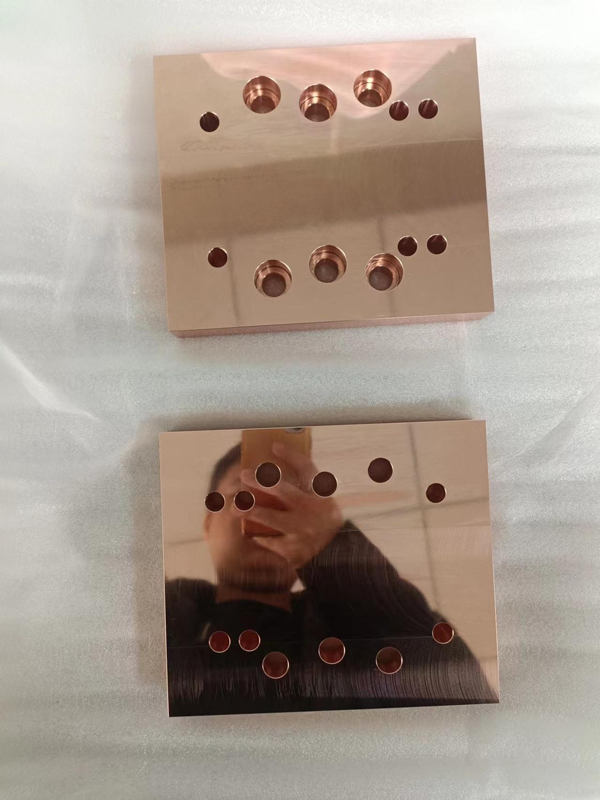
Mechanical processes that create a smooth, reflective surface.
Uses abrasive media to create a uniform matte or textured finish.
The process of removing sharp edges, burrs, or imperfections from a metal or plastic part after machining or cutting to improve safety and functionality.
A general term for refining a surface to reduce roughness, often through grinding, sanding, or polishing.
A chemical or thermal treatment (e.g., black oxide) that creates a dark, corrosion-resistant layer on metals like steel or stainless steel.
A mechanical treatment using abrasive brushes to create a uniform, fine-line texture on metal surfaces (common in stainless steel).
A printing technique where ink is pressed through a mesh stencil to apply designs, logos, or text onto a surface (metal, plastic).
Using a laser beam to engrave or mark a surface with high precision, often for branding, labeling, or decorative purposes.
Applying liquid coatings (oil-based, rubber-based, etc.) to protect or decorate surfaces, often used for corrosion resistance or color finishing.
Controlled heating and cooling of metals (e.g., annealing, quenching, tempering) to alter properties like hardness, strength, or ductility.
A process where printed designs on a film are transferred onto 3D objects using water immersion, commonly used for camouflage or decorative patterns.
Applicable material: Aluminum(red, yellow, nature, black, green, blue, custom colors)