

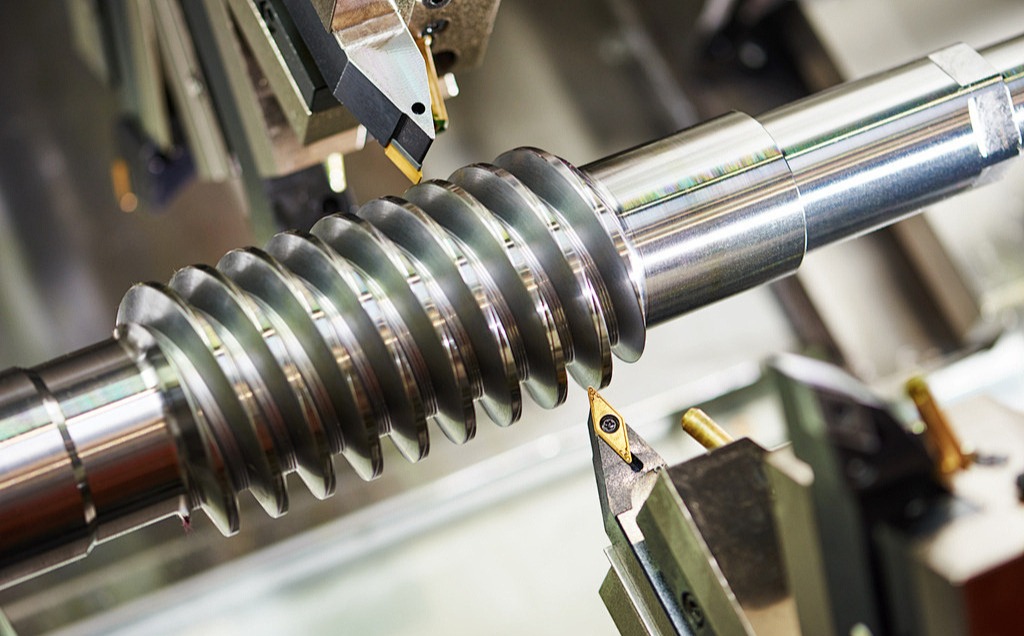
Definition: A process of cutting internal threads in holes using a tap, commonly used for bolt or screw connections.
Advantages: High-precision threading, compatibility with metals and plastics, automation via CNC tapping.
Applications: Engine blocks, aerospace fasteners, threaded holes in electronic enclosures.
Case Study: An automotive manufacturer used CNC tapping for engine block threads, achieving ±0.02mm accuracy and 30% faster production.
Definition: A precision machining process using abrasive wheels to achieve ultra-smooth surfaces or complex geometries.
Advantages: Sub-micron accuracy (Ra <0.1μm), capability to process hardened materials like ceramics.
Applications: Precision bearings, surgical instruments, optical lens molds.
Case Study: A medical device manufacturer ground titanium orthopedic implants with CNC grinding, achieving Ra 0.05μm surface finish
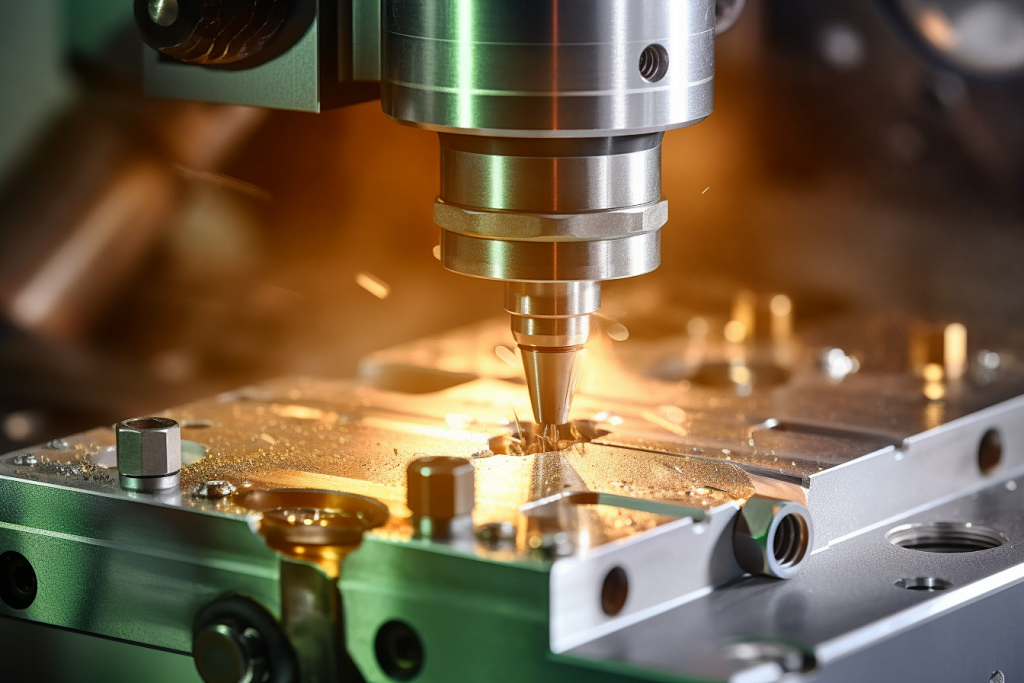
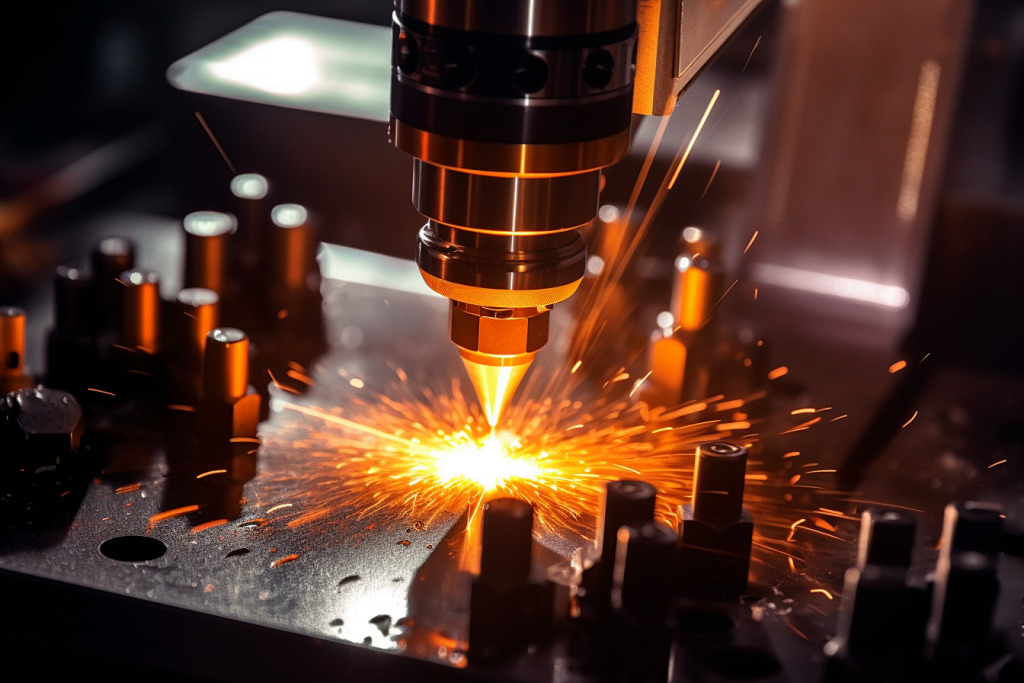
Definition: A non-contact process using electrical sparks to erode conductive materials, ideal for intricate shapes.
Advantages: No mechanical stress, ability to cut micro-holes (<0.1mm), suitable for hardened steels.
Applications: Injection molds, turbine blade cooling holes, precision gears.
Case Study: A mold manufacturer utilized wire EDM for automotive gear molds, maintaining ±0.005mm tolerance.
Definition: A process using focused laser beams to melt or vaporize materials for precise cutting.
Advantages: No tool wear, high speed (e.g., 30mm/s for carbon steel), complex contour capability.
Applications: Metal decorative panels, electronic brackets, and automotive body parts.
Case Study: A consumer electronics company cut stainless steel smartphone frames with a fiber laser, achieving 0.1mm kerf width.
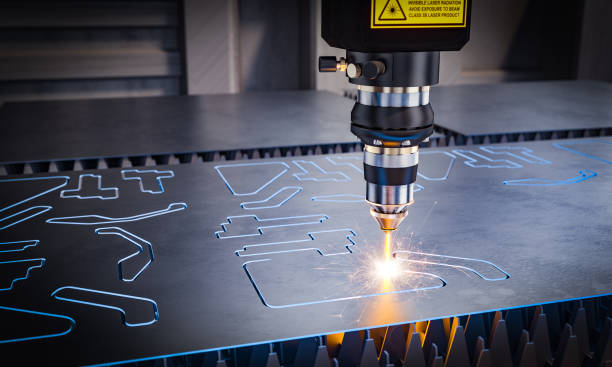
Definition: A forming process that plastically deforms metal sheets or tubes into specific angles under pressure.
Advantages: Rapid shaping, multi-angle capability (V/U-bends), CNC accuracy (±0.1°).
Applications: Equipment enclosures, HVAC ducts, furniture frames.
Case Study: An electrical cabinet manufacturer bent aluminum enclosures with CNC press brakes, achieving <0.5° angular deviation.